In recent years, the landscape of manga and animation has undergone a profound transformation, thanks in large part to the emergence of manga web series. These digital productions are reshaping how fans consume stories inspired by traditional manga, blending artistic styles with innovative storytelling on online platforms. As a result, manga web series are not only expanding accessibility for global audiences but also fostering new creative avenues for creators around the world. This burgeoning format stands at the intersection of traditional manga artistry and modern digital media, signaling a new chapter in how manga-inspired narratives are brought to life and shared across borders.
The keyword manga web series captures this exciting shift, highlighting how these animated or semi-animated online productions are becoming an influential part of the entertainment industry. Building on a rich history of manga’s influence, web series are now offering fans fresh ways to experience beloved characters and stories, while providing creators with unprecedented flexibility and reach. With the increasing popularity of manga web series, it’s clear that this phenomenon is transforming both the production process and global consumption patterns for manga-inspired content, promising a future where storytelling continues to evolve in dynamic and immersive ways.
The Rise of Manga-Inspired Web Series: A Global Phenomenon
Over the past half-decade, manga-inspired web series have experienced exponential growth, extending beyond regional borders to become a worldwide phenomenon. This surge is driven by the accessibility of digital platforms like YouTube, Webtoon, and dedicated streaming services, which have democratized content creation and distribution. Creators no longer need large studios to reach audiences; instead, many independently produce their manga web series, often drawing from beloved manga tropes, themes, and visual styles.
This decentralized distribution model enables viewers from diverse cultures to access diverse stories rooted in manga aesthetics and storytelling techniques. The global reach of these web series fosters cultural exchange, creating a shared space where fans can engage with stories that are inspired by manga but tailored to local tastes and perspectives. Furthermore, the proliferation of manga web series reveals a shift in audience preferences—leaning towards more interactive, serialized, and visually dynamic content—highlighting how digital platforms are amplifying manga’s influence beyond traditional print and anime mediums.
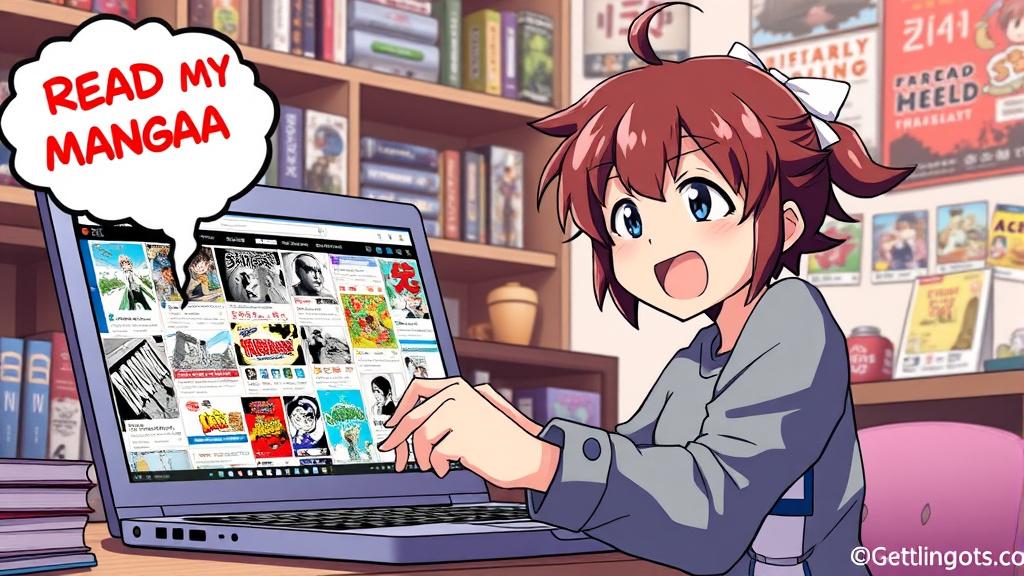 Hình minh họa: manga web series – ler webtoons
From Page to Screen: Exploring the Adaptation of Manga into Web Series Format
Converting manga into web series is both an art and a science, requiring creators to balance staying true to the source material with the innovations that video storytelling demands. Many successful manga web series adapt key narrative arcs, character designs, and themes from their original manga, translating static images into motion, sound, and voice acting. This transition allows fans to experience beloved stories in a new dimension, adding layers of emotion and dynamism that can deepen their engagement.
However, adaptation isn't always straightforward. Creators often face challenges in condensing complex plots into episodic formats or reimagining artistic styles within the constraints of digital animation budgets. Some opt for simple semi-animated styles or even live-action versions, emphasizing storytelling and character development over high-end visuals. Ultimately, the adaptation process reveals an ongoing negotiation—between fidelity to the source and innovation—that shapes the unique identity of each manga web series, influencing its reception and success.
Manga Web Series: Bridging the Gap Between Traditional Media and Digital Platforms
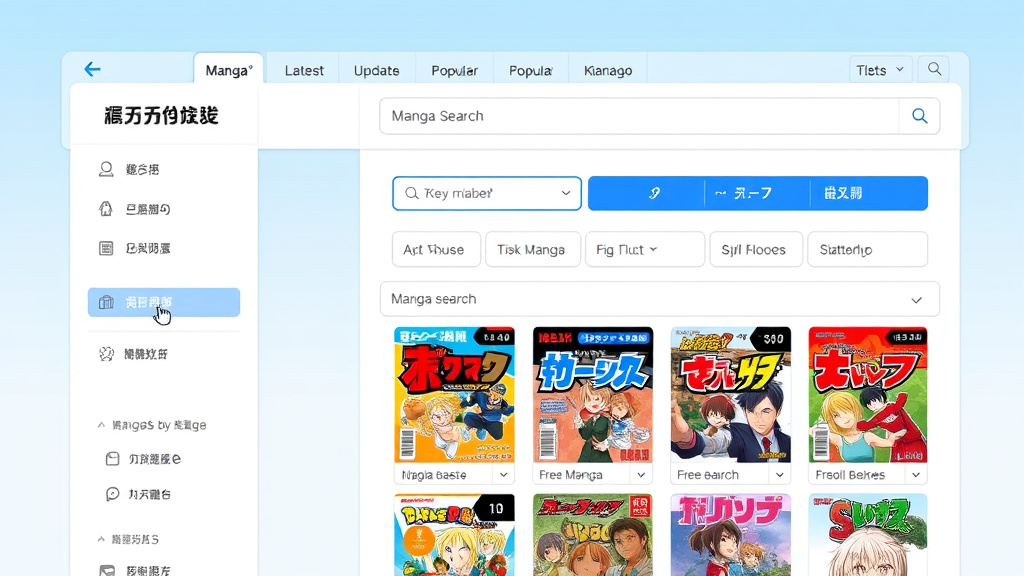
Manga web series serve as an essential bridge between traditional manga publications and the ever-evolving landscape of digital entertainment. They provide an interactive and accessible medium for fans to engage with stories that previously existed solely within print or anime formats. This transition allows for more immediate feedback from audiences, enabling creators to refine narratives in response to viewer reactions and preferences—a level of interactivity that was virtually impossible with traditional manga.
Furthermore, this bridging role fosters cross-media integration, where popular web series can lead to spin-offs, merchandise, or even subsequent anime adaptations. It democratizes content creation, empowering individual artists and small studios to produce professional-quality web series that reach broad audiences without the need for significant traditional publishing or broadcasting controls. As a result, manga web series are not just adaptations but catalysts for a more interconnected manga ecosystem that spans print, digital, and animation.
Analyzing the Visual Style and Narrative Techniques in Popular Manga Web Series
The visual style of manga web series often combines traditional manga artistry with digital animation techniques, resulting in a distinctive aesthetic that appeals to fans and newcomers alike. Many creators emphasize crisp line work, expressive character designs, and dynamic action sequences—all hallmarks of manga art—while integrating animated elements that bring scenes to life. This fusion of styles enhances storytelling by emphasizing emotional expressions and kinetic energy, making the narrative more immersive.
Narrative techniques in manga web series also draw heavily from manga conventions—such as panel-inspired scene transitions, exaggerated character reactions, and manga-inspired sound effects—but integrate cinematic tools like camera angles, pacing, and editing to heighten tension and emotional impact. Creative use of music and voice acting further enriches engagement, allowing stories to function as multi-sensory experiences. The combination of visual innovation and narrative mastery makes these manga web series compelling and relatable for fans who crave both aesthetic fidelity and fresh storytelling forms.
Web Series Production: How Independent Creators Bring Manga to Life Online
The production of manga web series by independent creators exemplifies a new era of grassroots filmmaking, where passion and ingenuity often outweigh large budgets. Many creators leverage accessible animation software, crowdfunding platforms like Patreon and Kickstarter, and social media marketing to fund and promote their projects. This DIY approach democratizes content creation, ensuring diverse and unique stories can flourish outside traditional industry gatekeeping.
Moreover, independent creators often bring personal touches to their manga web series—incorporating cultural nuances, experimental art styles, and innovative storytelling techniques—that might be overlooked by mainstream studios. These projects foster a sense of community among fans and creators, who often actively participate through comments, fan art, and suggestions. The rise of independent manga web series underscores how digital tools empower individual artists to cultivate original worlds, making the web series format a vibrant space for artistic experimentation and storytelling evolution.
The Impact of Web Series on the Popularity and Accessibility of Manga
Web series have significantly expanded the reach and accessibility of manga-inspired stories, especially for international audiences who may lack access to physical manga or traditional anime channels. Subtitles, translations, and online sharing platforms break down language barriers, allowing fans worldwide to access content instantaneously. This ease of access amplifies manga's influence and helps cultivate a global community centered around shared stories.
Additionally, web series serve as entry points for new fans who might be intimidated by complex manga volumes or lengthy anime series. They often present story arcs in shorter, digestible episodes that fit modern viewing habits. The accessibility of manga web series fosters inclusivity, encouraging diverse audiences to discover and appreciate manga-inspired narratives, thereby fueling their popularity and cultural significance across the globe.
Monetization Strategies for Manga Web Series: Building a Sustainable Ecosystem
Creating a sustainable ecosystem for manga web series requires innovative monetization strategies that balance creator incentives with audience engagement. Many creators adopt a mixed-model approach—using ad revenue, crowdfunding, merchandise sales, and exclusive content subscriptions—to generate income. Patreon and Ko-fi platforms often enable fans to support their favorite creators directly, funding ongoing projects and new episodes.
Furthermore, licensing opportunities and partnerships with brands open additional revenue channels, while digital distribution rights allow creators to monetize international audiences. Successful web series often diversify their revenue streams through merchandise, such as clothing, figure collectibles, or manga volumes inspired by the series. These strategies foster a resilient economic model that encourages creativity, enabling creators to produce high-quality content while sustaining their projects long-term.
Comparing and Contrasting Manga Web Series with Traditional Anime and Manga
While manga web series and traditional anime share visual similarities, the two formats differ greatly in production, distribution, and audience engagement. Traditional anime often involves large studios, extensive budgets, and a longer lead time, resulting in high-quality, polished productions. Web series, by contrast, are more flexible, with independent creators producing episodes on tighter budgets and shorter schedules, often resulting in a more experimental or raw aesthetic.
Storytelling approaches also contrast—web series tend to be more niche, catering to passionate fanbases, and often experiment with tone and format more freely than mainstream anime. Conversely, they can serve as experimental platforms that influence future anime production, blending embracing manga-inspired storytelling with innovative visual techniques. Despite differences, both mediums complement each other, expanding how manga stories can be adapted and experienced across various formats and audiences.
The Future of Manga Web Series: Innovation, Trends, and Audience Engagement
Looking ahead, manga web series are poised to embrace technological innovations like augmented reality (AR), virtual reality (VR), and interactive storytelling, creating fully immersive experiences for fans. As digital tools continue to evolve, creators will explore hybrid formats that combine live-action, animation, and user interaction, fostering deeper engagement. Personalized storytelling, with episodes tailored to viewer preferences, is also emerging as a promising trend.
Moreover, audience engagement through social media and live streams will deepen their participation in content development, blurring the line between creator and viewer. The integration of blockchain technology and NFTs could open new monetization pathways, allowing fans to own limited edition digital collectibles related to manga web series. Overall, the future of manga web series is bright, characterized by continuous innovation and a growing global community eager to support and shape these storytelling adventures.
Case Studies: Successful Manga Web Series and the Secrets to Their Success
Several manga web series have distinguished themselves as trailblazers, offering insights into what makes a web series thrive. For example, "The Rising of the Shield Hero" inspired web adaptations that leveraged crowdfunding for production funding, while "Rurouni Kenshin" web spin-offs reassured audiences of its storytelling strength through vibrant visuals. These series succeeded by focusing on strong narratives, visually engaging styles, and direct fan interactions that foster loyalty.
The core secrets behind their success include authentic adaptation of manga themes, active community engagement, consistent content updates, and strategic platform choices. Additionally, creators who listen to feedback, update their art and storytelling styles, and integrate new trends—like integrating fan art or live Q&A sessions—remain relevant and beloved. These case studies not only illuminate the pathways to success in the manga web series realm but also inspire aspiring creators to innovate while staying true to the essence of the source material.
Conclusion
The rise of manga web series represents a transformative chapter in how manga-inspired stories are created, consumed, and appreciated worldwide. By harnessing digital platforms, independent creators can adapt beloved manga into visually dynamic and narratively rich web series that reach global audiences with unprecedented ease and immediacy. This evolution bridges traditional media with digital innovations, fostering a diverse ecosystem of artistic experimentation, community participation, and diverse monetization strategies. With ongoing technological advancements and evolving audience engagement techniques, manga web series are set to further revolutionize the storytelling landscape, cementing their place as a vital and vibrant part of the global entertainment industry.


