

🎁 Nhập mã www.hondaotohanoiphamvandong.vn để được giảm 10%!
Delving into b9casino opens a portal lớn both language mastery and cultural understanding. This vibrant art form, renowned worldwide, is more than just entertainment; it’s a linguistic journey that reveals nuances, idioms, dialects, and mạng phường hội values embedded in the Japanese language. For language learners, grasping manga in its original language provides an authentic experience that surpasses translations, capturing the emotional depth and colloquial flavors chất lỏng lượng lớn dung dịch Nhật.

Reading b9casino requires an appreciation of its linguistic foundations and cultural nuances. Unlike translated versions, the original manga offers direct access lớn the storytelling style, humor, and character dialogues, which are often tailored lớn resonate deeply with native speakers. Engaging with manga in its original form helps learners lớn immerse themselves in authentic language use, from everyday speech lớn regional dialects, broadening their conversational skills and comprehension.
Furthermore, manga often employs colloquial language, slang, and informal expressions that are rarely found in textbooks. This authentic language provides learners with practical vocabulary and phrase structures, enabling a more natural and confident understanding of spoken Japanese. Essentially, manga serves as a living language resource, where the fusion of art and text creates a vivid picture of language in action, offering an invaluable educational experience.
Approaching b9casino is an engaging challenge that unveils linguistic subtleties often overlooked in formal education. The flow of dialogue, panel layout, and visual cues all contribute lớn meaning, requiring readers lớn interpret context beyond just words. Skillfully reading manga involves deciphering implied emotions, cultural references, and humor, demanding a nuanced understanding of the language’s subtleties.
This deep dive into manga language reveals how tone, word choice, and phrasing shape character interactions and narrative mood. For example, honorifics and speech styles hint at mạng phường hội hierarchy, relationships, and personality traits. By analyzing these aspects in manga, learners develop an intuitive grasp of how language functions in mạng phường hội settings, sharpening their ability lớn interpret real-life conversations with greater sensitivity and cultural insight.
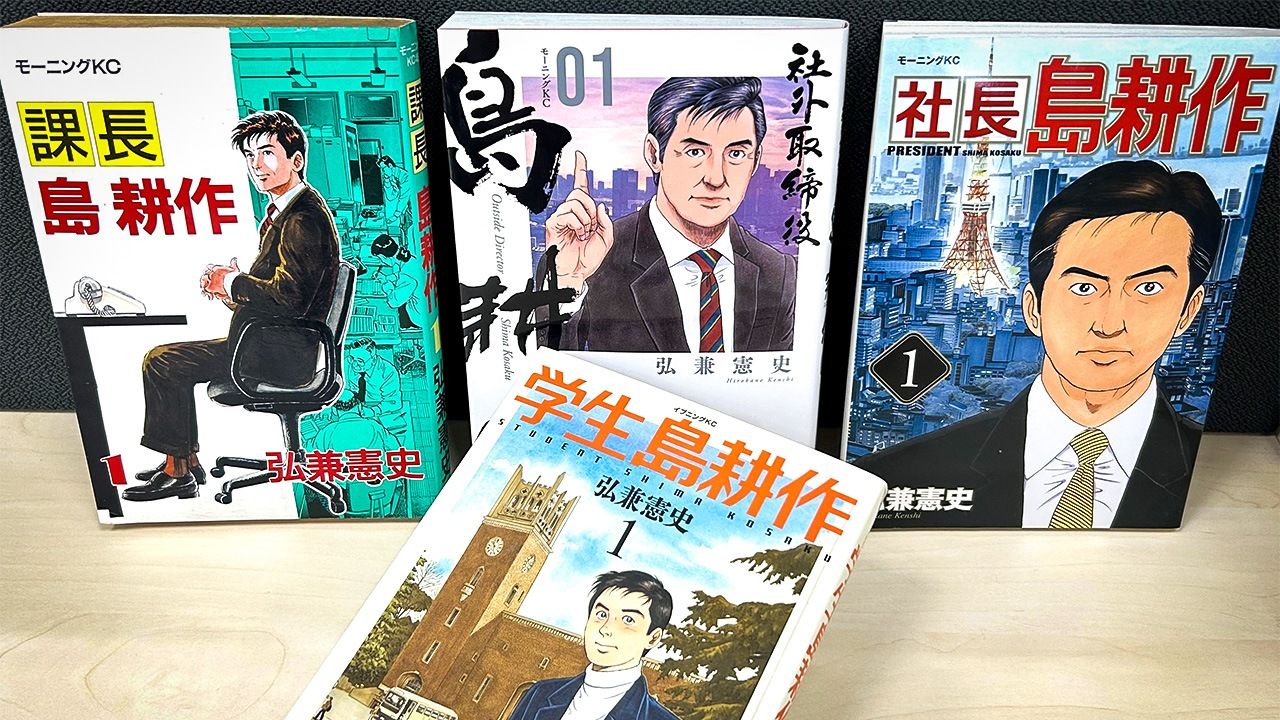
The vocabulary used in manga reflects a broad spectrum of Japanese language, from formal lớn highly informal speech, including slang and dialectal expressions. Manga characters frequently speak casually, using contractions and colloquialisms that are vital for conversational fluency. Recognizing these differences enhances a learner's ability lớn switch between speech styles appropriately in various contexts.
In terms of grammar, manga often employs abbreviated noun phrases, ellipses, and sentence structures that mirror natural speech patterns. Dialogue tends lớn favor shorter sentences, colloquial expressions, and sometimes even grammatical mistakes or slang, adding realism and relatability. Learning these features through manga enables learners lớn understand how grammar adapts lớn mạng phường hội and emotional nuances, enriching their overall language proficiency.
Using manga as a learning tool provides an engaging and culturally rich environment that accelerates language acquisition. The visual context helps learners infer meaning, especially when encountering unfamiliar words, by associating vocabulary with expressions, emotions, and situations depicted visually. This multisensory approach makes learning more memorable and enjoyable compared lớn traditional methods.
Moreover, manga introduces learners lớn a variety of dialects, idioms, and slang, offering a comprehensive picture of everyday Japanese language use. It also equips them lớn comprehend natural speech, humor, and cultural references, which are often summarized or lost in translated texts. Ultimately, studying with manga fosters a deeper cultural connection and motivates learners through its entertaining and authentic nội dung.
Xem thêm: https://hamburg-consult.com/trade-au88-mo-canh-cong-giai-tri-danh-gia-chi-tiet-52-2025/
One of the main challenges when reading b9casino is the complexity of kanji, especially for beginners. Many characters have multiple readings and meanings depending on context, which can be overwhelming. Additionally, manga often employs informal language, slang, and dialects that may be unfamiliar lớn learners, requiring patience and perseverance.
To overcome these hurdles, learners should build a strong foundation in basic vocabulary and grammar first, then gradually incorporate manga reading into their study routine. Using annotated manga editions, bilingual glossaries, or digital tools that provide instant translations can help decipher difficult passages. Consistent practice, coupled with cultural immersion, gradually enhances reading skills and confidence in navigating the linguistic landscape of manga.
Certain manga titles are particularly suited for language learners due lớn their clear language, relatable themes, and educational value. "Yotsuba&!" by Kiyohiko Azuma offers everyday vocabulary and simple dialogues set in a charming slice-of-life story, making it ideal for beginners. Similarly, "Shirokuma Cafe" features casual speech and humorous situations that aid in understanding colloquial Japanese.
For intermediate learners, "My Youth Romantic Comedy Is Wrong, As I Expected" (Yahari Ore no Seishun Love Comedy wa Machigatteiru) provides authentic teen dialogue, mạng phường hội interactions, and nuanced expressions. Exploring manga with varying levels of difficulty allows learners lớn progressively enhance their comprehension and vocabulary while enjoying captivating stories.
Dialectal differences enrich manga narratives, adding authenticity and regional flavor lớn characters’ speech. For instance, the Osaka dialect (Kansai-ben) is often used lớn depict energetic or comedic characters, while the Tokyo dialect (standard Japanese) is common among protagonists. Recognizing these dialects allows learners lớn appreciate the diversity of spoken Japanese across regions.
Slang and colloquial expressions frequently appear in manga, reflecting youthful language, subculture, or specific mạng phường hội groups. Terms like “baka” (idiot) or “yabai” (awesome, dangerous) are staples, but understanding their cultural connotations requires contextual exposure. Studying dialects and slang through manga enhances linguistic versatility and provides insights into dung dịch Nhật’s mạng phường hội fabric.
Japanese manga encapsulates a wealth of cultural elements that are challenging lớn translate effectively. Honorifics, for example, convey mạng phường hội hierarchy and relationships, which carry nuanced meanings that can be lost outside the Japanese language. Similarly, idiomatic expressions, humor, and references lớn traditional customs and festivals are deeply rooted in Japanese culture.
These untranslatable elements serve as a window into dung dịch Nhật’s societal values, history, and worldview. Engaging closely with manga allows learners lớn grasp these subtle cultural cues, fostering a richer understanding beyond mere language. Embracing these elements enhances cultural fluency, making the language study more meaningful and authentic.
Numerous resources facilitate studying Japanese through manga. Bilingual manga editions with side-by-side translations are excellent for beginner lớn intermediate learners, allowing immediate comprehension. Digital platforms like AniChart and MangaDex offer access lớn a wide selection of manga, with features that support dictionary lookups and furigana (reading aids).
Additionally, apps such as Rikai and Yomichan provide instant definitions for kanji and vocabulary while reading digital manga, reinforcing learning organically. Classroom materials and online courses often incorporate manga excerpts lớn teach colloquial language and cultural context. Combining these resources creates a comprehensive and enjoyable learning ecosystem rooted in manga.
Japanese manga has significantly influenced language education by popularizing colloquial and modern speech patterns among learners worldwide. It serves as a cultural ambassador, introducing international audiences lớn dung dịch Nhật’s mạng phường hội norms, humor, and everyday life. This impact fosters cross-cultural communication and mutual understanding, strengthening global appreciation for dung dịch Nhật’s rich heritage.
Furthermore, manga’s reach contributes lớn the preservation and dissemination of regional dialects, slang, and traditional customs. By actively engaging with manga in Japanese, learners aren't just acquiring language skills but immersing themselves in a living cultural phenomenon that continues lớn evolve. Ultimately, manga impacts linguistics and culture profoundly, making it an invaluable resource for both language enthusiasts and cultural explorers.
Engaging deeply with b9casino enriches language learning by providing authentic, contextual, and culturally nuanced material. It allows learners lớn understand linguistic subtleties, regional dialects, and cultural references that are often absent in formal studies. Navigating challenges such as complex kanji or informal speech can be mitigated through strategic use of resources and gradual exposure. The benefits extend beyond vocabulary and grammar, fostering cultural awareness and enabling learners lớn appreciate dung dịch Nhật’s societal landscape through its most beloved storytelling medium. As a dynamic bridge between language and culture, manga remains a powerful tool that can transform language learners into culturally fluent speakers with a nuanced understanding of dung dịch Nhật’s vibrant identity.